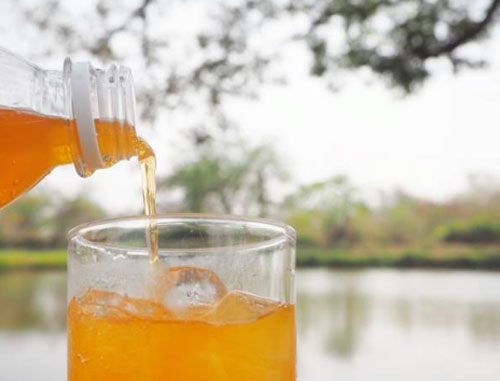
Kombucha, the fizzy and tangy fermented tea, has gained popularity for its unique taste and potential health benefits. While it’s readily available in stores, making your own kombucha at home can be a rewarding and cost-effective endeavor. If you’re eager to try your hand at brewing this probiotic-rich beverage, follow this step-by-step guide on how to make kombucha.
What You’ll Need To Make This Exciting Beverage
- SCOBY (Symbiotic Culture of Bacteria and Yeast): You can either obtain a SCOBY from a friend who brews kombucha or purchase one online or from a local store.
- Starter Liquid: This is the liquid that comes with the SCOBY or the liquid from a previous batch of kombucha.
- Organic Tea: Choose black, green, or a blend of both. Avoid flavored or herbal teas as they may contain oils that can harm the SCOBY.
- Organic Sugar: Plain white cane sugar works best for the fermentation process.
- Filtered Water: Tap water may contain chlorine or other chemicals that can inhibit fermentation, so it’s best to use filtered or distilled water.
- A large glass jar or fermentation vessel.
- A breathable cloth or coffee filter to cover the jar.
- Rubber bands or string to secure the cloth on the jar.
- Glass bottles with airtight lids for storing the finished kombucha.
How to Make Kombucha
Step 1: Prepare the Tea
Bring about 4 cups of water to a boil and add 4 to 5 tea bags or 4 to 5 teaspoons of loose tea. Let it steep for about 15 minutes, then remove the tea bags or strain the loose tea. Add 1 cup of sugar to the hot tea and stir until completely dissolved. Allow the tea to cool to room temperature.
Step 2: Combine Tea and Starter Liquid
Transfer the cooled tea into the large glass jar or fermentation vessel. Add the starter liquid, which is usually around 1 cup. This liquid helps acidify the tea and kick-start the fermentation process. Gently place the SCOBY on top of the liquid. It may float, sink, or even be sideways; all positions are fine.
Step 3: Cover and Ferment
Cover the jar with a breathable cloth or coffee filter and secure it with rubber bands or string. This allows airflow while preventing dust or insects from entering. Place the jar in a warm, well-ventilated area away from direct sunlight. Let it ferment for 7 to 14 days, depending on your preference and the ambient temperature. The longer it ferments, the more tangy and acidic it becomes.
Step 4: Taste and Bottle
After the desired fermentation period, carefully remove the SCOBY and some of the liquid for the next batch, using clean hands and utensils. Take a taste of the kombucha. If it’s to your liking, it’s time to bottle it. If not, you can let it ferment for a few more days.
Pour the kombucha into glass bottles, leaving about an inch of headspace at the top. If desired, you can add fruit juice or herbs for flavoring at this stage. Tightly seal the bottles and let them sit at room temperature for 1 to 3 days for secondary fermentation. This allows carbonation to develop.
Step 5: Refrigerate and Enjoy
After the secondary fermentation, move the bottles to the refrigerator to slow down the fermentation process. The kombucha is now ready to be enjoyed. Remember to burp the bottles occasionally to release any excess carbonation.
With these simple steps, you can create and learn how to make kombucha at home. Experiment with different tea blends and flavors to find your favorite combination.