Can You Drink Kombucha While Pregnant? Things To Watch.

Exploring the Safety of Kombucha During Pregnancy

can-you-drink-kombucha-while-pregnant?

Pregnancy is a time when women need to be cautious about their diet and lifestyle choices to ensure the health and well-being of both themselves and their growing baby. One common question that arises is whether it is safe to consume kombucha, the popular fermented tea beverage, during pregnancy. In this article, we will explore the safety considerations and potential risks associated with drinking kombucha while pregnant.

Understanding Kombucha and Its Components: Kombucha is made through the fermentation of tea with the help of a SCOBY (symbiotic culture of bacteria and yeast). The fermentation process produces a fizzy and tangy beverage that contains various organic acids, vitamins, minerals, and potentially small amounts of alcohol.

Alcohol Content:

One of the primary concerns with consuming kombucha during pregnancy is its alcohol content. While commercial kombucha typically contains less than 0.5% alcohol by volume, homemade or improperly brewed kombucha may have higher alcohol levels. Alcohol consumption during pregnancy is generally discouraged due to the risk of fetal alcohol spectrum disorders (FASDs). Therefore, it is advisable to choose commercially available kombucha brands that adhere to strict alcohol content regulations.

Probiotics and Bacteria:

Kombucha is known for its probiotic properties, as it contains live bacteria and yeast cultures. Probiotics can support digestive health and immune function. However, pregnant women should exercise caution as certain strains of bacteria found in kombucha may not be suitable during pregnancy. Some strains, such as those belonging to the Lactobacillus family, are generally considered safe, while others, such as certain yeasts and Acetobacter species, may pose potential risks. It is recommended to consult with a healthcare professional to ensure the safety of the specific probiotic strains present in the kombucha you intend to consume.

Acidity and Digestive Concerns:

The fermentation process in kombucha leads to the production of organic acids, which contribute to its tangy flavor. These acids can potentially irritate the digestive system, leading to symptoms like heartburn, acidity, and upset stomach. Pregnant women may already be prone to these discomforts due to hormonal changes, so it is important to be mindful of any potential exacerbation of these symptoms and adjust kombucha intake accordingly.

Quality and Hygiene:

When considering consuming kombucha during pregnancy, it is essential to prioritize the quality and hygiene of the beverage. Homemade kombucha carries a higher risk of contamination and improper fermentation, which can lead to harmful bacteria or molds. Commercially produced kombucha from reputable brands with proper quality control measures is generally considered safer. It is important to carefully read labels, ensure appropriate storage conditions, and choose brands that prioritize safety and quality.

Overall, due to the potential risks associated with alcohol content, specific strains of bacteria, and the fermentation process, it is recommended that pregnant women approach kombucha consumption with caution. It is advisable to consult with a healthcare professional before incorporating kombucha into your pregnancy diet to discuss any individual concerns or considerations based on your specific health condition.

    In conclusion, while kombucha can have potential health benefits for non-pregnant individuals, the safety and suitability of consuming kombucha during pregnancy are still debated. It is crucial to prioritize the health and well-being of both the mother and the developing fetus. When in doubt, it is best to err on the side of caution and seek guidance from a healthcare professional to make informed decisions about your dietary choices during pregnancy.
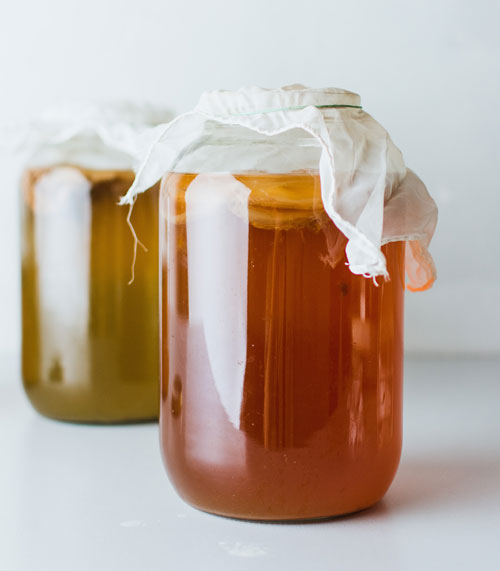

    5 Possible Side Effects of Drinking Too Much Kombucha

    Possible Side Effects of Drinking Too Much Kombucha

    Kombucha, the fermented tea beverage, has gained popularity for its potential health benefits and unique flavor. While moderate consumption of kombucha is generally considered safe for most people, excessive intake can lead to potential side effects. In this article, we will explore five possible side effects of drinking too much kombucha and understand the risks associated with its overconsumption.

    Digestive Disturbances:

    One of the most common side effects of excessive kombucha consumption is digestive issues. Kombucha is a naturally carbonated beverage, and the carbonation combined with its acidity can cause bloating, gas, and an upset stomach in some individuals. The high acidity of kombucha may also irritate the stomach lining, leading to discomfort or heartburn. Additionally, the presence of live bacteria and yeasts in kombucha can disrupt the balance of gut flora in some people, resulting in digestive disturbances.

    Excessive Sugar Intake:

    Kombucha is made by fermenting tea with sugar, which provides the necessary fuel for the fermentation process. However, if it is not properly fermented or if sweeteners are added after fermentation, you could end up with a high sugar content. Consuming excessive amounts of sugar can contribute to weight gain, dental problems, and an increased risk of conditions like diabetes or heart disease. It is important to choose kombucha with a low sugar content or consider brewing your own to control the sugar levels.

    Alcohol Content:

    As kombucha is a naturally fermented beverage, during the fermentation process, trace amounts of alcohol are produced. While commercial kombucha typically contains less than 0.5% alcohol by volume, homemade or improperly brewed kombucha may have higher alcohol levels. Excessive consumption of kombucha with elevated alcohol content can lead to intoxication, especially in individuals who are sensitive to alcohol or those who consume it in large quantities. It is advisable to check the alcohol content of the kombucha you consume and be aware of any sensitivities you may have.

    Interactions with Medications:

    Some components of kombucha, such as organic acids and antioxidants, may interact with certain medications. For example, kombucha’s high acid content can interfere with the absorption and effectiveness of certain drugs. Additionally, the fermentation process can produce substances that may interact with medications metabolized by the liver. If you are under any medication, it is important to consult with your healthcare provider to ensure there are no potential interactions with kombucha.

    Allergic Reactions:

    Although rare, some individuals may be allergic to certain components of kombucha. Allergic reactions to kombucha can manifest as hives, itching, swelling, or even difficulty breathing. If you experience any allergic symptoms after consuming kombucha, you should seek medical attention immediately.

    It’s important to note that the side effects mentioned above are typically associated with excessive or improper consumption of kombucha. Moderation is key when it comes to enjoying kombucha safely. If you are new to drinking kombucha, start with small quantities and gradually increase as tolerated. It’s also advisable to choose reputable brands or make your own kombucha using proper brewing techniques to ensure quality and minimize the risks.

    To sum up, while kombucha can offer potential health benefits when consumed in moderation, excessive intake can lead to various side effects. These may include digestive disturbances, excessive sugar intake, alcohol content-related issues, interactions with medications, and rare allergic reactions. As with any dietary change, it is always wise to listen to your body, practice moderation, and seek professional advice if you have any concerns or underlying health conditions.

    How to Make Kombucha: A Step-by-Step Guide

    How-to-Make-Kombucha

    Kombucha, the fizzy and tangy fermented tea, has gained popularity for its unique taste and potential health benefits. While it’s readily available in stores, making your own kombucha at home can be a rewarding and cost-effective endeavor. If you’re eager to try your hand at brewing this probiotic-rich beverage, follow this step-by-step guide on how to make kombucha.

    What You’ll Need To Make This Exciting Beverage

    1. SCOBY (Symbiotic Culture of Bacteria and Yeast): You can either obtain a SCOBY from a friend who brews kombucha or purchase one online or from a local store.
    2. Starter Liquid: This is the liquid that comes with the SCOBY or the liquid from a previous batch of kombucha.
    3. Organic Tea: Choose black, green, or a blend of both. Avoid flavored or herbal teas as they may contain oils that can harm the SCOBY.
    4. Organic Sugar: Plain white cane sugar works best for the fermentation process.
    5. Filtered Water: Tap water may contain chlorine or other chemicals that can inhibit fermentation, so it’s best to use filtered or distilled water.
    6. A large glass jar or fermentation vessel.
    7. A breathable cloth or coffee filter to cover the jar.
    8. Rubber bands or string to secure the cloth on the jar.
    9. Glass bottles with airtight lids for storing the finished kombucha.

    How to Make Kombucha

    Step 1: Prepare the Tea

    Bring about 4 cups of water to a boil and add 4 to 5 tea bags or 4 to 5 teaspoons of loose tea. Let it steep for about 15 minutes, then remove the tea bags or strain the loose tea. Add 1 cup of sugar to the hot tea and stir until completely dissolved. Allow the tea to cool to room temperature.

    Step 2: Combine Tea and Starter Liquid

    Transfer the cooled tea into the large glass jar or fermentation vessel. Add the starter liquid, which is usually around 1 cup. This liquid helps acidify the tea and kick-start the fermentation process. Gently place the SCOBY on top of the liquid. It may float, sink, or even be sideways; all positions are fine.

    Step 3: Cover and Ferment

    Cover the jar with a breathable cloth or coffee filter and secure it with rubber bands or string. This allows airflow while preventing dust or insects from entering. Place the jar in a warm, well-ventilated area away from direct sunlight. Let it ferment for 7 to 14 days, depending on your preference and the ambient temperature. The longer it ferments, the more tangy and acidic it becomes.

    Step 4: Taste and Bottle

    After the desired fermentation period, carefully remove the SCOBY and some of the liquid for the next batch, using clean hands and utensils. Take a taste of the kombucha. If it’s to your liking, it’s time to bottle it. If not, you can let it ferment for a few more days.

    Pour the kombucha into glass bottles, leaving about an inch of headspace at the top. If desired, you can add fruit juice or herbs for flavoring at this stage. Tightly seal the bottles and let them sit at room temperature for 1 to 3 days for secondary fermentation. This allows carbonation to develop.

    Step 5: Refrigerate and Enjoy

    After the secondary fermentation, move the bottles to the refrigerator to slow down the fermentation process. The kombucha is now ready to be enjoyed. Remember to burp the bottles occasionally to release any excess carbonation.

    With these simple steps, you can create and learn how to make kombucha at home. Experiment with different tea blends and flavors to find your favorite combination.

    What Exactly is the Calorie Content of Kombucha?

    Calorie-Content-of-Kombucha

    Kombucha, the fermented tea beverage known for its tangy and fizzy taste, has become increasingly popular among health-conscious individuals. As a result, questions about its nutritional profile and calorie content have become more prevalent. If you’re curious about the calorie content of kombucha and how it fits into your overall diet, this article will provide you with the information you need.

    Not all Kombuchas Are Equal

    Before delving into the specific calorie content of kombucha, it’s important to understand that not all kombuchas are created equal. Different brands and flavors may vary slightly in their nutritional composition. However, on average, a standard 8-ounce (240 ml) serving of kombucha contains approximately 30 to 50 calories.

    The sugar present in the tea used during the fermentation process primarily contributes to the calorie content of kombucha. The SCOBY (symbiotic culture of bacteria and yeast) feeds on the sugar, converting it into organic acids, probiotics, and carbonation. As the SCOBY consumes the sugar during fermentation, the sugar content decreases, resulting in a lower calorie count compared to the initial sweetened tea.

    Flavored Varieties of Kombucha

    Adding additional ingredients or sweeteners to kombucha may increase its calorie content. Flavored varieties, such as fruit-infused or juice-blended kombuchas, might have slightly higher calorie counts due to the natural sugars found in the added ingredients. Furthermore, commercially available kombuchas can contain higher sugar levels, resulting in a slightly higher calorie content.

    Kombucha has a relatively low calorie content overall, making it an appealing option for individuals aiming to control their calorie intake. In comparison to sugary beverages like soda or fruit juices, kombucha offers a refreshing and flavorful alternative with significantly fewer calories.

    Not a Replacement for Water

    However, it’s important to keep in mind that while kombucha may be low in calories, it shouldn’t be considered a replacement for water or other hydrating fluids. Hydration is essential for overall health, and water remains the best choice for quenching thirst and maintaining proper bodily functions.

    Furthermore, if you’re monitoring your calorie intake or following a specific diet plan, it’s advisable to read the nutritional labels of different kombucha brands and flavors. This will help you make informed choices based on your dietary goals and preferences.

    In conclusion, kombucha is a beverage with a relatively low calorie content, typically ranging from 30 to 50 calories per 8-ounce serving. However, it’s important to be aware of variations in calorie counts among different brands and flavors. As with any food or drink, moderation is key, and it’s important to consider kombucha as part of a well-balanced diet.

    Top 5 Health Benefits of Kombucha. What Are They?

    Top-5-Health-Benefits-of-Kombucha

    Kombucha has been gaining popularity in recent years as a health-promoting beverage. This fermented tea is known for its unique taste and fizzy nature, but it also offers a wide range of health benefits. From aiding digestion to boosting the immune system, kombucha has become a go-to drink for many health enthusiasts. In this article, we explore the top five health benefits of kombucha.

    Improved Digestion

    One of the primary benefits of consuming kombucha is its positive impact on digestion. Kombucha is rich in probiotics, which are live bacteria and yeasts that are beneficial for the gut. These probiotics help balance the gut flora, aiding in the digestion and absorption of nutrients. By promoting a healthy gut environment, kombucha can reduce bloating, improve bowel movements, and alleviate digestive issues such as constipation and diarrhea.

    Enhanced Immune Function

    The immune system plays a crucial role in defending the body against harmful pathogens and diseases. Kombucha contains antioxidants and compounds like glucaric acid, which have immune-boosting properties. Regular consumption of kombucha can strengthen the immune system, making it more efficient at fighting off infections. Additionally, kombucha’s probiotics can stimulate the production of antibodies, further enhancing immune function.

    Detoxification and Liver Support

    Detoxification is an essential process in the body that eliminates harmful toxins and waste products. The liver, our primary detoxifying organ, plays a vital role in this process. Kombucha contains organic acids and enzymes that help support liver function and aid in detoxification. Glucuronic acid, a key component of kombucha, binds to toxins, facilitating their removal from the body. By supporting liver health, kombucha contributes to overall detoxification and promotes a healthier body.

    Increased Energy Levels

    In addition, many people experience an afternoon slump or a lack of energy throughout the day. Kombucha can provide a natural energy boost without relying on stimulants like caffeine. This is due to the presence of B vitamins, such as B12 and B6, in kombucha. B vitamins are involved in energy production and metabolism, helping convert food into usable energy. Regular consumption of kombucha can result in increased energy levels and improved overall vitality.

    Potential Anti-inflammatory Effects

    Furthermore, Chronic inflammation is a common underlying factor in various health conditions, including arthritis, heart disease, and certain types of cancer. Some studies suggest that the antioxidants present in kombucha have anti-inflammatory properties. These antioxidants, such as polyphenols, help neutralize free radicals and reduce inflammation in the body. By reducing inflammation, kombucha may contribute to the prevention and management of inflammatory diseases.

    What’s more, it’s important to note that while kombucha offers several health benefits, individual results may vary. Additionally, those with compromised immune systems or specific health conditions should consult with their healthcare provider before incorporating kombucha into their diet.

    Finally, kombucha is a versatile and refreshing beverage that provides numerous health benefits. From aiding digestion and boosting the immune system to supporting detoxification and promoting energy levels, kombucha has become a popular choice for those seeking to enhance their well-being. Adding a glass of kombucha to your daily routine may be a simple yet effective step towards better health.

    What is Kombucha Made Of? Understanding the Ingredients

    what-is-kombucha-made-of

    What is kombucha made of?

    Kombucha, the increasingly popular fermented tea beverage, has gained a reputation for its unique taste and potential health benefits. But what is kombucha made of exactly? In this article, we will explore the key ingredients that make up this intriguing elixir and the fermentation process that transforms them into a flavorful and probiotic-rich drink.

    Tea:

    First, the base ingredient of kombucha is tea, typically black or green tea. Tea leaves provide essential compounds such as polyphenols, which act as antioxidants and contribute to the flavor and color of the final product. The type of tea used can influence the taste profile of the kombucha.

    Sugar:

    Secondly, the fermentation process relies on sugar as fuel. The kombucha culture, known as the SCOBY (Symbiotic Culture of Bacteria and Yeast), uses the energy provided by sugar to convert the tea into kombucha. Yeast and bacteria consume the sugar during fermentation, producing organic acids, carbon dioxide, and trace amounts of alcohol.

    Water:

    Thirdly, water is a vital component of kombucha, making up the majority of the beverage. It serves as the liquid base for brewing the tea and dissolving the sugar. The quality of water used can impact the overall taste and quality of the final product.

    SCOBY:

    Fourthly, the living organism responsible for fermenting the tea and transforming it into kombucha is the SCOBY. The SCOBY is a gelatinous, rubbery disc that floats on the surface of the brewing liquid. It consists of various strains of bacteria (such as Acetobacter, Gluconobacter, and Lactobacillus) and yeast (such as Saccharomyces, Brettanomyces, and Candida) that work together symbiotically during fermentation.

    Starter Liquid:

    Fifth, the starter liquid is a small quantity of previously fermented kombucha that is used to kickstart the fermentation process. It contains the necessary microorganisms from previous batches to inoculate the new tea with beneficial bacteria and yeast.

    During the fermentation process, the SCOBY consumes the sugar in the tea, producing organic acids (such as acetic acid, lactic acid, and gluconic acid), carbon dioxide, and trace amounts of alcohol. This combination of acids gives kombucha its tangy flavor and characteristic effervescence.

    It is equally important to note that while tea, sugar, water, SCOBY, and starter liquid form the basic ingredients of kombucha, individuals can add additional flavorings and perform secondary fermentation to enhance the taste and create a variety of flavors. Common flavorings include fruits, herbs, spices, and even additional teas.


      Furthermore, individuals can enjoy kombucha in various flavors and variations, allowing them to create a wide range of creative and customized combinations.

      In addition, like with any fermented food or drink, it’s crucial to practice proper brewing techniques, maintain cleanliness and hygiene, and ensure the quality of ingredients to produce a safe and delicious batch of kombucha.

      In conclusion, kombucha enthusiasts make this tangy, effervescent drink from tea, sugar, water, SCOBY, and starter liquid. During fermentation, the SCOBY consumes the sugar and transforms the tea into a drink rich in probiotics and organic acids. By adding different flavorings, individuals can tailor kombucha to their preferences and taste profiles. So, grab a bottle of this refreshing beverage and savor its unique blend of flavors and potential health benefits.

      Is Kombucha Alcoholic? Exploring the Alcohol Content

      Is-Kombucha-Alcoholic

      Kombucha, the popular and oddly satisfying fermented tea beverage, has gained attention not only for its potential health benefits but also for its unique taste. As a fermented product, there has been some discussion and curiosity about whether kombucha contains alcohol. In this article, we will explore the question of is Kombucha alcholic or not, the content of alcohol in kombucha and shed light on what you need to know about its alcoholic nature.

      Alcohol Levels are Typically Low

      To simplify, yes, kombucha can contain alcohol, but it typically has low levels. During the fermentation process, yeast consumes sugar and produces alcohol as a byproduct. However, regulatory bodies enforce limits on the alcohol content in commercially available kombucha to ensure it remains below the legal threshold, which is usually less than 0.5% alcohol by volume (ABV). Most standards classify this amount as non-alcoholic.

      Furthermore, it’s worth noting that the alcohol content in kombucha can vary based on several factors, including fermentation time, temperature, and the specific strains of yeast and bacteria in the SCOBY (Symbiotic Culture of Bacteria and Yeast). Prolonged fermentation and higher temperatures can lead to increased alcohol production. If not carefully monitored, homebrewed kombucha may have slightly higher alcohol content compared to store-bought varieties.

      Alcohol Sensitivity

      For alcohol-sensitive individuals or those who avoid it due to personal, cultural, or health reasons, it’s important to be mindful of the alcohol content in kombucha. While most store-bought kombuchas have minimal alcohol levels, it’s advisable to check the label or contact the manufacturer if you have concerns about a particular brand.

      Some individuals may wonder if they can get drunk from drinking kombucha. Due to its low alcohol content, it’s highly unlikely to become intoxicated by drinking commercially produced kombucha. To put things into perspective, a standard 12-ounce bottle of kombucha with less than 0.5% ABV contains roughly the same amount of alcohol as a ripe banana.

      Homebrewed Kombucha

      What’s more, it’s worth mentioning that homebrewed kombucha can have higher alcohol content if not carefully managed. If you’re brewing your own kombucha and wish to minimize alcohol production, it’s important to closely follow proper brewing techniques, control fermentation time, and ensure a healthy balance of yeast and bacteria in your SCOBY.

      Furthermore, pregnant individuals, those with liver conditions, or anyone with a history of alcohol addiction should exercise caution and consult with their healthcare provider regarding the consumption of kombucha or any other fermented products.

      In conclusion, while kombucha can contain trace amounts of alcohol, the levels are generally low and regulated in commercial products. Most store-bought kombuchas contain less than 0.5% ABV, making them non-alcoholic by most standards. However, it’s always advisable to check labels and be aware of the specific alcohol content if you have concerns or dietary restrictions. By staying informed, you can make informed decisions about consuming kombucha based on your individual preferences and needs.

      Kombucha SCOBY: What is This Amazing Living Organism?

      kombucha-scoby

      Looking at the Mind-Blowing World of the Kombucha Scoby

      If you’ve delved into the fantastic world of kombucha, you’ve likely come across the term “SCOBY.” But what exactly is a SCOBY, and why is it such a crucial element in the fermentation process of kombucha? In this article, we’ll explore the fascinating world of the kombucha SCOBY, its role in brewing this probiotic-rich beverage, and how to care for it.

      SCOBY is an acronym for “Symbiotic Culture of Bacteria and Yeast.” It’s often referred to as the “kombucha mother” or “kombucha mushroom,” although it is not a mushroom at all. Instead, the SCOBY is a rubbery, jelly-like disc that forms on the surface of the sweetened tea during the fermentation process. This living organism is responsible for the transformation of the sweet tea into tangy and fizzy kombucha.

      The SCOBY consists of a complex community of microorganisms, including various strains of bacteria (such as Acetobacter, Gluconacetobacter, and Lactobacillus) and yeast (such as Saccharomyces, Brettanomyces, and Candida). These microorganisms work together symbiotically, with each playing a specific role in the fermentation process.

      The bacteria in the SCOBY metabolize the alcohol produced by yeast, converting it into acetic acid. This process gives kombucha its characteristic tanginess. The yeast, on the other hand, consumes the sugar in the sweetened tea, producing alcohol and carbon dioxide. The carbon dioxide is responsible for the natural carbonation found in kombucha.

      To brew kombucha, you need a SCOBY as a starting point. You can obtain a SCOBY from a friend who brews kombucha or purchase one online or from a local store. It’s important to ensure that your SCOBY is healthy and free from any signs of mold or contamination. A healthy SCOBY should be firm, off-white to beige in color, and free from black spots or unusual growths.

      Caring for your SCOBY is crucial to maintaining a successful and consistent brewing process. Here are some tips for SCOBY care:

      Storage:

      First, if you’re not using your SCOBY immediately, store it in a glass jar with enough kombucha liquid to cover it. Seal the jar with a breathable cloth or coffee filter secured with a rubber band. Keep it at room temperature away from direct sunlight.

      Feeding:

      Second, your SCOBY needs a continuous supply of nutrients to thrive. Regularly feed it by brewing batches of sweetened tea for fermentation. The SCOBY will consume the sugar and tea, producing kombucha in the process.

      Hygiene:

      Third, maintain good hygiene practices when handling your SCOBY and brewing equipment. Use clean utensils and wash your hands thoroughly before touching the SCOBY or preparing the tea. Avoid cross-contamination with other substances that may harm the SCOBY.

      Temperature:

      Fourth, the SCOBY prefers a temperature range of 68°F to 78°F (20°C to 26°C) for optimal fermentation. Extreme temperatures can stress or damage the SCOBY, affecting the quality of the kombucha.

      SCOBY Hotel:

      Fifth and equally important is if you have multiple SCOBYs or want to take a break from brewing, you can create a SCOBY hotel. Place extra SCOBYs in a jar with enough kombucha liquid to cover them and store them as mentioned in the storage tip.

      Finally, remember that your SCOBY will naturally grow and reproduce over time. With each batch of kombucha, your SCOBY may produce a new layer on top, which can be used to start another brewing cycle or shared with others who are interested in brewing their own kombucha.

      Does Kombucha Fight Cancer? What are the Benefits?

      does-kombucha-fight-cancer

      Does Kombucha Fight Cancer?

      Kombucha, the fermented tea beverage, has gained popularity for its potential health benefits. Among the various claims associated with kombucha consumption, there is speculation about its ability to fight cancer. In this article, we will explore the topic and examine the current scientific understanding of kombucha’s potential role in cancer prevention and treatment.

      Kombucha is rich in antioxidants:

      One of the reasons kombucha has been linked to potential anti-cancer effects is its high antioxidant content. Antioxidants are substances that help protect the body’s cells from damage caused by free radicals, unstable molecules that can lead to oxidative stress and contribute to the development of various diseases, including cancer. Kombucha contains a variety of antioxidants, such as polyphenols, flavonoids, and vitamin C, which may help reduce oxidative stress and inflammation in the body.

      Polyphenols and their potential benefits:

      Polyphenols are a type of antioxidant found in kombucha and other plant-based foods. These compounds have been extensively studied for their potential anti-cancer properties. They have been shown to have anti-inflammatory, anti-proliferative (inhibiting the growth of cancer cells), and anti-angiogenic (preventing the formation of new blood vessels that tumors need for growth) effects in laboratory studies. However, it’s important to note that these studies have primarily been conducted in cell cultures and animal models, and more research is needed to understand how these effects translate to human health.

      Gut health and immune system modulation:

      Another aspect of kombucha’s potential impact on cancer lies in its effect on gut health and the immune system. Emerging research suggests that a healthy gut microbiota and a balanced immune system are crucial for maintaining overall health, including cancer prevention. Kombucha, as a fermented beverage, contains beneficial bacteria and yeasts that can contribute to a healthy gut microbiota. By promoting the growth of beneficial bacteria and modulating the immune response, kombucha may indirectly support the body’s defense against cancer.

      Limited human studies:

      While there is some promising research on the potential anti-cancer effects of kombucha, it’s important to highlight that most studies have been conducted in laboratory settings or animal models. There is a lack of well-designed clinical trials specifically examining kombucha’s impact on cancer prevention or treatment in humans. Therefore, it is premature to make definitive claims about kombucha’s effectiveness in fighting cancer based solely on existing research.

      Cancer treatment considerations:

      If you or a loved one are undergoing cancer treatment, it is crucial to consult with healthcare professionals before incorporating any new food or beverage into your diet, including kombucha. Some treatments, such as chemotherapy or immunotherapy, can interact with certain foods or beverages, and individual dietary considerations may vary depending on the type and stage of cancer.

      In summary, while kombucha’s antioxidant content, polyphenols, and potential effects on gut health and the immune system are intriguing, there is limited scientific evidence to support the direct claim that kombucha fights cancer. More research, particularly well-designed human studies, is needed to better understand the relationship between kombucha consumption and its potential role in cancer prevention and treatment. In the meantime, it is advisable to approach any health claims about kombucha with caution and to focus on maintaining a balanced and nutritious diet along with other evidence-based approaches to reduce the risk of cancer.

      Is it Okay to Drink Kombucha Every Day? Consider The Facts

      Is-it-Okay-to-Drink-Kombucha-Every-Day

      Understanding the Daily Consumption of Kombucha


      Kombucha, the tangy fermented tea beverage renowned for its potential health benefits, has garnered popularity in recent years. Many people ponder whether it is safe to consume kombucha every day due to its rich array of organic acids, vitamins, and probiotics. In this article, we will explore the potential effects and considerations of daily kombucha consumption.

      Benefits of Regularly Consuming Kombucha:

      Before delving into daily consumption, let’s briefly discuss the potential benefits of drinking kombucha. Regularly consuming moderate amounts of kombucha may provide advantages such as improved digestion, enhanced gut health, bolstered immune function, and potential antioxidant and anti-inflammatory effects. Nevertheless, it is crucial to note that research on kombucha is still evolving, and further studies are necessary to comprehensively comprehend its impact on human health.

      Sugar Content:

      Kombucha is traditionally made by fermenting tea with sugar, which provides the fuel for the fermentation process. However, if not properly brewed or flavored, kombucha can have a high sugar content. Drinking kombucha with excessive sugar levels on a daily basis can contribute to weight gain, dental issues, and increased risk of conditions such as diabetes and heart disease. It is crucial to choose kombucha with lower sugar content or opt for homemade varieties where you can control the sugar levels.

      Acidic Nature:

      Kombucha is naturally acidic due to the organic acids produced during fermentation. While this acidity can offer certain benefits, excessive consumption may lead to digestive discomfort, including heartburn, acid reflux, or upset stomach. Each individual’s tolerance to acidity may vary, so it is important to listen to your body and adjust your intake accordingly. If you experience any discomfort, consider reducing your daily consumption or spreading it out throughout the day.

      Caffeine Content:

      Kombucha is typically made from tea, which contains caffeine. The caffeine content in kombucha can vary depending on the type of tea used and the brewing process. If you are sensitive to caffeine or aiming to limit your intake, it is important to be mindful of the caffeine content in kombucha, especially if you plan to consume it every day. Opting for herbal or caffeine-free kombucha options can be a suitable alternative.

      Personal Tolerance and Health Considerations:

      Everyone’s body reacts differently to various foods and beverages. Some individuals may tolerate daily kombucha consumption well, while others may experience adverse effects. It is important to assess your own tolerance and consider any underlying health conditions or medications that may interact with kombucha. If you have any concerns or specific health conditions, consulting with a healthcare professional is always a good idea.

      Moderation is Key:

      In the realm of nutrition, balance and moderation are key principles. The same applies to kombucha consumption. While some people may enjoy drinking kombucha every day without any issues, others may find it more suitable to consume it a few times a week. It is important to listen to your body, observe how you feel after drinking kombucha, and adjust your intake accordingly.

      Ultimately, whether it is okay to drink kombucha every day depends on various factors, including your overall health, personal tolerance, and the specific characteristics of the kombucha you consume. As with any dietary choice, it is always advisable to practice moderation, prioritize a diverse and balanced diet, and seek guidance from a healthcare professional if you have any concerns or underlying health conditions.