How to Make Kombucha: A Step-by-Step Guide

How-to-Make-Kombucha

Kombucha, the fizzy and tangy fermented tea, has gained popularity for its unique taste and potential health benefits. While it’s readily available in stores, making your own kombucha at home can be a rewarding and cost-effective endeavor. If you’re eager to try your hand at brewing this probiotic-rich beverage, follow this step-by-step guide on how to make kombucha.

What You’ll Need To Make This Exciting Beverage

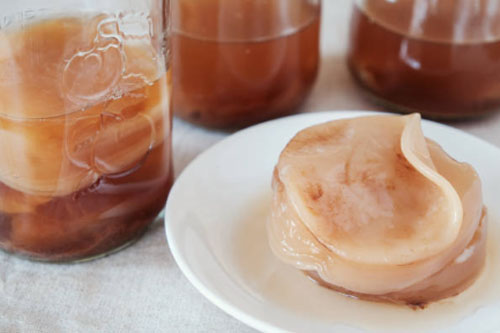
  1. SCOBY (Symbiotic Culture of Bacteria and Yeast): You can either obtain a SCOBY from a friend who brews kombucha or purchase one online or from a local store.
  2. Starter Liquid: This is the liquid that comes with the SCOBY or the liquid from a previous batch of kombucha.
  3. Organic Tea: Choose black, green, or a blend of both. Avoid flavored or herbal teas as they may contain oils that can harm the SCOBY.
  4. Organic Sugar: Plain white cane sugar works best for the fermentation process.
  5. Filtered Water: Tap water may contain chlorine or other chemicals that can inhibit fermentation, so it’s best to use filtered or distilled water.
  6. A large glass jar or fermentation vessel.
  7. A breathable cloth or coffee filter to cover the jar.
  8. Rubber bands or string to secure the cloth on the jar.
  9. Glass bottles with airtight lids for storing the finished kombucha.

How to Make Kombucha

Step 1: Prepare the Tea

Bring about 4 cups of water to a boil and add 4 to 5 tea bags or 4 to 5 teaspoons of loose tea. Let it steep for about 15 minutes, then remove the tea bags or strain the loose tea. Add 1 cup of sugar to the hot tea and stir until completely dissolved. Allow the tea to cool to room temperature.

Step 2: Combine Tea and Starter Liquid

Transfer the cooled tea into the large glass jar or fermentation vessel. Add the starter liquid, which is usually around 1 cup. This liquid helps acidify the tea and kick-start the fermentation process. Gently place the SCOBY on top of the liquid. It may float, sink, or even be sideways; all positions are fine.

Step 3: Cover and Ferment

Cover the jar with a breathable cloth or coffee filter and secure it with rubber bands or string. This allows airflow while preventing dust or insects from entering. Place the jar in a warm, well-ventilated area away from direct sunlight. Let it ferment for 7 to 14 days, depending on your preference and the ambient temperature. The longer it ferments, the more tangy and acidic it becomes.

Step 4: Taste and Bottle

After the desired fermentation period, carefully remove the SCOBY and some of the liquid for the next batch, using clean hands and utensils. Take a taste of the kombucha. If it’s to your liking, it’s time to bottle it. If not, you can let it ferment for a few more days.

Pour the kombucha into glass bottles, leaving about an inch of headspace at the top. If desired, you can add fruit juice or herbs for flavoring at this stage. Tightly seal the bottles and let them sit at room temperature for 1 to 3 days for secondary fermentation. This allows carbonation to develop.

Step 5: Refrigerate and Enjoy

After the secondary fermentation, move the bottles to the refrigerator to slow down the fermentation process. The kombucha is now ready to be enjoyed. Remember to burp the bottles occasionally to release any excess carbonation.

With these simple steps, you can create and learn how to make kombucha at home. Experiment with different tea blends and flavors to find your favorite combination.
Is Kombucha Alcoholic? Exploring the Alcohol Content

Is-Kombucha-Alcoholic

Kombucha, the popular and oddly satisfying fermented tea beverage, has gained attention not only for its potential health benefits but also for its unique taste. As a fermented product, there has been some discussion and curiosity about whether kombucha contains alcohol. In this article, we will explore the question of is Kombucha alcholic or not, the content of alcohol in kombucha and shed light on what you need to know about its alcoholic nature.

Alcohol Levels are Typically Low

To simplify, yes, kombucha can contain alcohol, but it typically has low levels. During the fermentation process, yeast consumes sugar and produces alcohol as a byproduct. However, regulatory bodies enforce limits on the alcohol content in commercially available kombucha to ensure it remains below the legal threshold, which is usually less than 0.5% alcohol by volume (ABV). Most standards classify this amount as non-alcoholic.

Furthermore, it’s worth noting that the alcohol content in kombucha can vary based on several factors, including fermentation time, temperature, and the specific strains of yeast and bacteria in the SCOBY (Symbiotic Culture of Bacteria and Yeast). Prolonged fermentation and higher temperatures can lead to increased alcohol production. If not carefully monitored, homebrewed kombucha may have slightly higher alcohol content compared to store-bought varieties.

Alcohol Sensitivity

For alcohol-sensitive individuals or those who avoid it due to personal, cultural, or health reasons, it’s important to be mindful of the alcohol content in kombucha. While most store-bought kombuchas have minimal alcohol levels, it’s advisable to check the label or contact the manufacturer if you have concerns about a particular brand.

Some individuals may wonder if they can get drunk from drinking kombucha. Due to its low alcohol content, it’s highly unlikely to become intoxicated by drinking commercially produced kombucha. To put things into perspective, a standard 12-ounce bottle of kombucha with less than 0.5% ABV contains roughly the same amount of alcohol as a ripe banana.

Homebrewed Kombucha

What’s more, it’s worth mentioning that homebrewed kombucha can have higher alcohol content if not carefully managed. If you’re brewing your own kombucha and wish to minimize alcohol production, it’s important to closely follow proper brewing techniques, control fermentation time, and ensure a healthy balance of yeast and bacteria in your SCOBY.

Furthermore, pregnant individuals, those with liver conditions, or anyone with a history of alcohol addiction should exercise caution and consult with their healthcare provider regarding the consumption of kombucha or any other fermented products.

In conclusion, while kombucha can contain trace amounts of alcohol, the levels are generally low and regulated in commercial products. Most store-bought kombuchas contain less than 0.5% ABV, making them non-alcoholic by most standards. However, it’s always advisable to check labels and be aware of the specific alcohol content if you have concerns or dietary restrictions. By staying informed, you can make informed decisions about consuming kombucha based on your individual preferences and needs.

A Beginner’s Guide to Brewing Kombucha at Home

Brewing-Kombucha-at-Home

Kombucha, the fizzy and tangy fermented tea, has gained a loyal following for its unique flavor and potential health benefits. Besides, brewing your own kombucha at home can be a rewarding and cost-effective way to enjoy this ancient elixir. If you’re a beginner looking to embark on a kombucha brewing journey, this guide will walk you through the step-by-step process, from gathering the necessary equipment to bottling your homemade brew.

Gather Your Equipment

Before diving into the brewing process, gather the necessary equipment. You’ll need a glass brewing vessel (such as a large jar), a breathable cover (like a coffee filter or tightly woven cloth), rubber bands to secure the cover, a SCOBY (Symbiotic Culture of Bacteria and Yeast), starter liquid (previously fermented kombucha), and quality tea leaves (black, green, or a combination).

Prepare the Sweetened Tea

First, start by boiling water and steeping the tea leaves for the recommended time. After, remove the tea bags or strain loose leaves and dissolve the desired amount of sugar into the hot tea. Allow the sweetened tea to cool to room temperature.

Introduce the SCOBY and Starter Liquid

Second, once the sweetened tea has cooled, transfer it to the brewing vessel. Gently place the SCOBY into the tea, along with the starter liquid. The SCOBY serves as the culture responsible for fermentation, while the starter liquid kickstarts the process by introducing beneficial bacteria and yeast.

Fermentation and Patience

Third, cover the brewing vessel with the breathable cover, securing it with rubber bands. Place the vessel in a warm and dark area, away from direct sunlight. Allow the kombucha to ferment for approximately 7 to 14 days, depending on your desired flavor and level of tartness. During fermentation, the SCOBY will transform the sugars into organic acids, creating the characteristic tanginess of kombucha.

Monitor and Taste

While your kombucha is fermenting, periodically monitor its progress. Take a clean spoon and gently taste a small amount of the kombucha to check for desired flavor development. The longer you let it ferment, the more tart and fizzy it will become. Remember to always use clean utensils to avoid contamination.

The Second Fermentation

In addition, once your kombucha has reached the desired flavor, it’s time for the second fermentation, which adds carbonation and additional flavors. Carefully remove the SCOBY and some of the liquid for future batches, setting them aside in a clean container. Pour the fermented kombucha into bottles, leaving a bit of headspace at the top.

Flavor and Carbonate

Finally, now comes the fun part—adding flavors! You can experiment with fruits, herbs, or spices by adding them to each bottle. Seal the bottles tightly and let them sit at room temperature for 1 to 3 days to build carbonation. Burp the bottles daily by slightly opening the caps to release excess pressure.

Refrigerate and Enjoy

Furthermore, after the second fermentation, transfer the bottles to the refrigerator to slow down the carbonation process. Chilling the kombucha also enhances its flavor and makes it ready to enjoy. Remember to label your bottles with the brewing date to keep track of freshness.

Brewing kombucha at home is an exciting and creative process that allows you to customize flavors and enjoy the benefits of this probiotic-rich beverage. By following this beginner’s guide, you’ll be well-equipped to embark on your kombucha brewing journey. Remember to maintain cleanliness and patience throughout the process, and don’t be afraid to experiment with different tea blends and flavors. Cheers to your homemade kombucha!