Kombucha, the fizzy and tangy fermented tea, has gained a loyal following for its unique flavor and potential health benefits. Besides, brewing your own kombucha at home can be a rewarding and cost-effective way to enjoy this ancient elixir. If you’re a beginner looking to embark on a kombucha brewing journey, this guide will walk you through the step-by-step process, from gathering the necessary equipment to bottling your homemade brew.
Gather Your Equipment
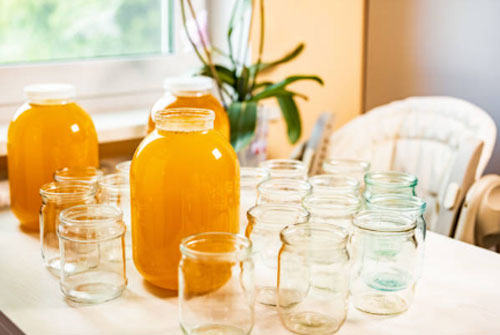
Before diving into the brewing process, gather the necessary equipment. You’ll need a glass brewing vessel (such as a large jar), a breathable cover (like a coffee filter or tightly woven cloth), rubber bands to secure the cover, a SCOBY (Symbiotic Culture of Bacteria and Yeast), starter liquid (previously fermented kombucha), and quality tea leaves (black, green, or a combination).
Prepare the Sweetened Tea
First, start by boiling water and steeping the tea leaves for the recommended time. After, remove the tea bags or strain loose leaves and dissolve the desired amount of sugar into the hot tea. Allow the sweetened tea to cool to room temperature.
Introduce the SCOBY and Starter Liquid
Second, once the sweetened tea has cooled, transfer it to the brewing vessel. Gently place the SCOBY into the tea, along with the starter liquid. The SCOBY serves as the culture responsible for fermentation, while the starter liquid kickstarts the process by introducing beneficial bacteria and yeast.
Fermentation and Patience
Third, cover the brewing vessel with the breathable cover, securing it with rubber bands. Place the vessel in a warm and dark area, away from direct sunlight. Allow the kombucha to ferment for approximately 7 to 14 days, depending on your desired flavor and level of tartness. During fermentation, the SCOBY will transform the sugars into organic acids, creating the characteristic tanginess of kombucha.
Monitor and Taste
While your kombucha is fermenting, periodically monitor its progress. Take a clean spoon and gently taste a small amount of the kombucha to check for desired flavor development. The longer you let it ferment, the more tart and fizzy it will become. Remember to always use clean utensils to avoid contamination.
The Second Fermentation
In addition, once your kombucha has reached the desired flavor, it’s time for the second fermentation, which adds carbonation and additional flavors. Carefully remove the SCOBY and some of the liquid for future batches, setting them aside in a clean container. Pour the fermented kombucha into bottles, leaving a bit of headspace at the top.
Flavor and Carbonate
Finally, now comes the fun part—adding flavors! You can experiment with fruits, herbs, or spices by adding them to each bottle. Seal the bottles tightly and let them sit at room temperature for 1 to 3 days to build carbonation. Burp the bottles daily by slightly opening the caps to release excess pressure.
Refrigerate and Enjoy
Furthermore, after the second fermentation, transfer the bottles to the refrigerator to slow down the carbonation process. Chilling the kombucha also enhances its flavor and makes it ready to enjoy. Remember to label your bottles with the brewing date to keep track of freshness.
Brewing kombucha at home is an exciting and creative process that allows you to customize flavors and enjoy the benefits of this probiotic-rich beverage. By following this beginner’s guide, you’ll be well-equipped to embark on your kombucha brewing journey. Remember to maintain cleanliness and patience throughout the process, and don’t be afraid to experiment with different tea blends and flavors. Cheers to your homemade kombucha!